
I learned recently that people are more successful in achieving long-term health and wellness if they adopt a mindset of, “if, then.” For example, “If I can’t workout 3 times this week, then I will workout 2 times and take a long walk.” Or, “If I’m going to eat birthday cake tonight for dessert, then I’m going to have a salad for dinner first.” For me, I often negotiate with myself: “If I can’t run 5 miles, then I’ll run 3”, or “If I can’t run today, then I will lift weights instead.”
Here’s why I agree with this mindset: an all-out, pedal to the metal mindset of “no matter what” is not sustainable. You can do anything, but not everything. If you “refuse to quit”, you will ignore your body telling you to rest and you will sustain an injury. If you never indulge in celebration birthday cake, you will feel deprived, resentful, and miss out on important cultural practices. If you schedule your workouts religiously and never make exceptions, you will sacrifice in other ways: missing your kid’s sporting event, not being available to help your spouse, not freeing yourself up to get ahead on another projects.
You are a human, not a machine. Machines get efficient results. But you are more than a machine because you can think, feel, adapt, grow, and serve other purposes besides “results”.
Another saying I agree with: be firm with your goals but flexible in how you achieve them. Health is achieved by many mediums: diet/nutrition, movement/exercise, genetics, environment, healthcare/medicine, mental and spiritual wellness. Consider this: “If I can’t achieve my physical health goals right now, then I will work to achieve my mental health wellness right now.”
Small steps = big progress. Small, sustainable changes = long-term health and wellness.

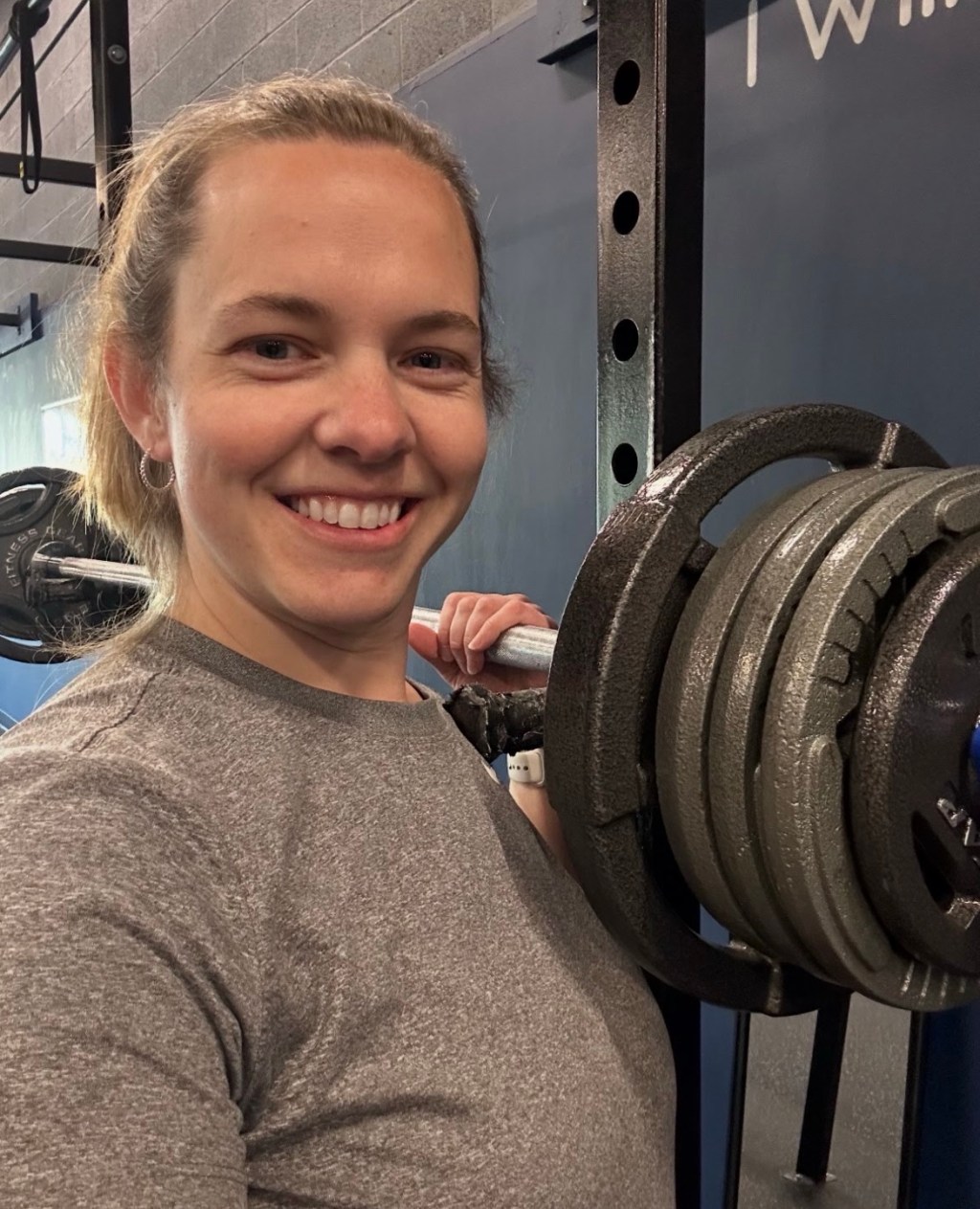
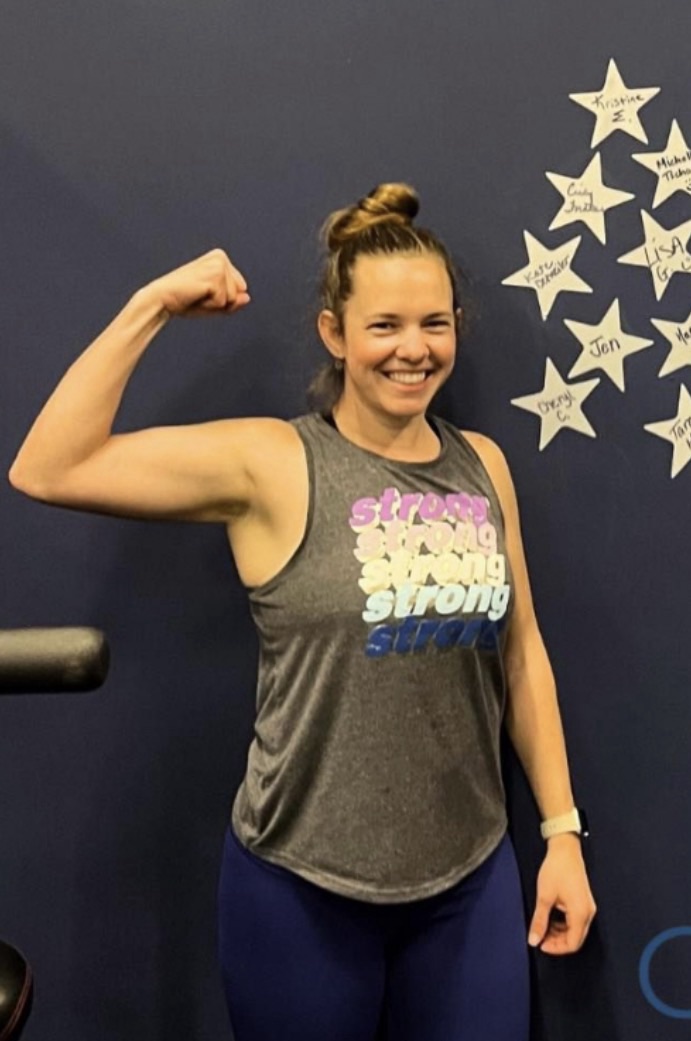

 Fresh Start Fitness
Leave a comment